Sustainable Water Practices: Navigating New Mexico's Aquatic Ecosystems for a Brighter Future
In the arid landscapes of New Mexico, water is more than just a resource; it's a connector of communities and a lifeline for the diverse aquatic ecosystems that thrive in this unique environment. As water scarcity becomes an increasingly pressing issue worldwide, the importance of water education in promoting sustainable practices cannot be overstated. Imagine a community that understands the delicate balance of hydrology and begins to take actionable steps toward conserving this vital resource. What if every individual was empowered to contribute to the sustainability of New Mexico water? This is the vision fueled by effective water education programs, which are proving to be pivotal in shaping our future.
Water resources in New Mexico have faced monumental challenges, from droughts and climate change to increased demand from a growing population. The story here isn't just about conservation; it's about empowerment and engagement with water and society. Water education equips communities with knowledge about water use efficiency, ecological water use, and the implications of individual water footprints. This awareness fosters a culture of stewardship, urging individuals to rethink their consumption and encouraging entire communities to adopt sustainable water practices that prioritize both the environment and society's needs. Have you ever considered your own water footprint?
As we delve deeper into water education's transformational role, we discover that it also inspires advocacy for sound water policy and environmental management. Educational programs that focus on water conservation help individuals understand larger issues surrounding water quality and supply. By fostering a sense of responsibility towards natural water resources, community members can advocate for policies that protect these irreplaceable assets. This becomes even more critical in environments impacted by climate change, where the effects on water supply can ripple across entire ecosystems. Isn't it time we harness our collective voice for sustainable water practices?
Furthermore, the merging of water education with real-life applications serves as a powerful catalyst for change. Workshops, community outreach, and school programs create platforms for imparting knowledge on freshwater conservation and environmental sustainability. Imagine a young student learning about the importance of aquatic ecosystems in their backyard, then working on projects that improve local water quality. The connection forged between education and practice fosters a generation that views water not merely as a commodity but as a lifeline. It makes you wonder—what would our communities look like if sustainable water practices became second nature to us all?
As we navigate towards a brighter future, the role of water education becomes an anchor for sustainable water practices in New Mexico. By sharing knowledge about our precious aquatic ecosystems, we can inspire hope and initiative among individuals and communities. It's not just about the conservation of water; it’s about the realization that our collective efforts have the power to make profound changes. With the right education at hand, we can ensure that New Mexico's water resources remain vibrant and sustainable for generations to come. So, let’s ask ourselves: how can we become champions of water education in our own lives?
Harnessing Nature: Innovative Approaches to Water Conservation in New Mexico
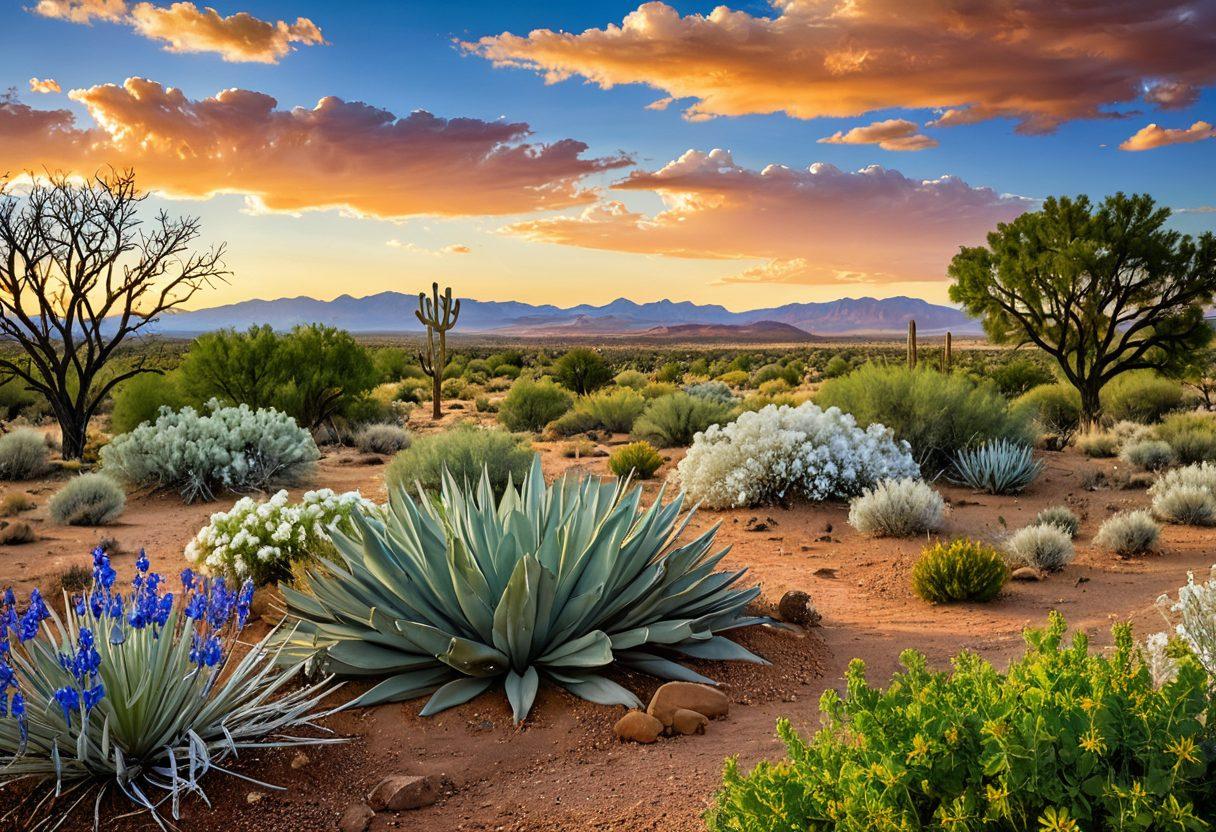
In the vast landscapes of New Mexico, where the breathtaking desert meets striking mountain ranges, lies a pressing issue: the preservation of our precious water resources. As the climate change narrative unfolds, it is crucial to recognize that New Mexico water is not just a basic necessity; it's the lifeblood of our communities, economies, and ecosystems. Have you ever pondered the delicate balance between our water use efficiency and the natural water resources that surround us? Dive deep with me as we explore innovative approaches to water conservation that not only protect our environment but also illuminate the path toward sustainable water practices.
Imagine a thriving community where water is used wisely, where ecological water use underpins daily life, and where every drop matters. As the population in New Mexico steadily rises, so too does the challenge of meeting our water needs without compromising environmental management. A significant part of this journey involves harnessing nature itself. By mimicking natural hydrology and implementing practices that enhance water quality, we can ensure that our freshwater conservation efforts resonate within our aquatic ecosystems, fostering resilience in the face of climate impact on water.
But what does it mean to implement sustainability practices? It begins with education. Engaging our society in meaningful conversations about water policy and its implications is vital. Every citizen must grasp the concept of their water footprint—understanding how their daily actions impact the very resources upon which they rely. Most importantly, we must create awareness around the urgent need for water conservation strategies that align with ecological principles. This can be illustrated through community-led initiatives that foster a sense of ownership over our water resources and invigorate our commitment to environmental sustainability.
Innovative techniques are emerging that bridge the gap between traditional water management and modern conservation efforts. From rainwater harvesting systems to xeriscaping—landscaping that reduces or eliminates the need for irrigation—these strategies not only conserve water but also promote biodiversity in our local ecosystems. Have you considered how simple changes in your own garden could yield substantial benefits for New Mexico’s water supply? By adopting practices inspired by nature, such as designing landscapes that mimic natural precipitation patterns, we can improve our water use efficiency and biodiversity at the same time.
In conclusion, we are at a pivotal moment that calls for action. The freshwaters that flow through New Mexico are not just another resource; they are a shared legacy that connects us all. As we harness innovative approaches to water conservation, we can pave the way for a future where aquatic ecosystems thrive, and communities flourish. Remember, every small step contributes to a larger movement. Will you join the journey towards embracing sustainable water practices that not only safeguard our water but also advocate for a harmonious relationship with nature?
Balancing Act: Navigating Water Resources for Ecological Harmony and Future Resilience
In the sun-soaked landscape of New Mexico, the story of water is a tale of resilience, interplay, and the delicate dance between ecology and society. As arid stretches of land meet the sparkling rivers, the need for effective management of our precious New Mexico water becomes paramount. But how do we balance the multiplicity of demands on our water resources? In a state where every drop counts, the answer lies in sustainable water practices that harmonize community needs with ecological integrity. Every drop saved is a story worth telling, and perhaps you hold a part of this narrative in your hands.
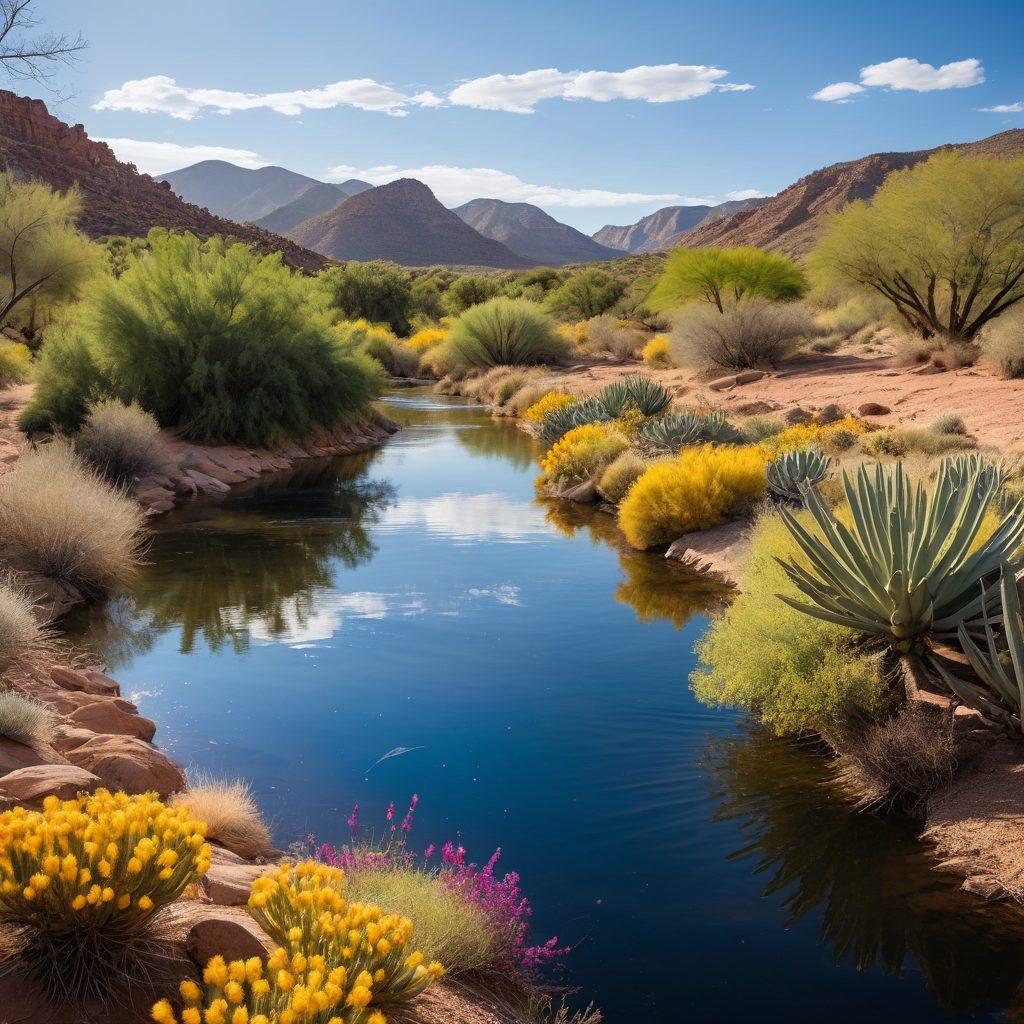
Imagine taking a walk by the gentle flow of the Rio Grande, its waters nourishing not just the land, but also the cultures and communities that thrive along its banks. This is more than a symmetric tale of hydrology; it is a reflection of our commitment to responsible water management. With the challenges posed by climate impact on water, one might ask: Are we doing enough to protect our aquatic ecosystems for future generations? As stewards of this land, our responsibility is to foster an understanding of water quality, biodiversity, and the necessity of water conservation measures that allow these natural water resources to flourish.
Now let’s delve deeper into what sustainable water practices mean for us. They’re not merely a set of rules, but a lifestyle that champions water use efficiency and mindful consumption. Think of the little actions: capturing rainwater, targeting irrigation during cooler hours, or installing low-flow fixtures. These do not just reduce your water footprint, they also reflect a shift towards ecological water use. As your behavior adapts, so too does the resilience of New Mexico’s freshwater systems. Have you considered how your daily choices influence the larger picture of environmental sustainability? Every conscious decision counts!
As we embrace sustainable water practices, we must not underestimate the role of education and policy in shaping behavior. Water education initiatives are powerful tools that cultivate an understanding of the intricacies of water management. Through workshops, community discussions, and outreach programs, the narrative of water shifts. What might your community be able to do to further engage in these environmental management efforts? Initiatives that bring schools, local businesses, and NGOs together are the backbone of our shared water journey. Let’s inspire one another to dream bigger about the future of our water resources.
To anchor ourselves in ecological harmony, we must remember that every interaction with water impacts the larger ecosystem. We swim in a pool of interconnectedness; therefore, aligning our practices with the principles of natural resource management is not optional but essential. In the face of challenges, we can be proactive and adaptative, leading to resilience against potential crises. Let’s build a future where our aquatic ecosystems not only survive but thrive, creating ripples of change that resonate well beyond New Mexico, influencing a global movement towards water conservation for generations to come. Are you ready to be part of this water revolution?